
Introduction
RWA tokenization is quickly becoming one of the most important applications of blockchain outside of cryptocurrency. From supply chains to real estate and commodities, startups are actively finding new ways to distribute liquidity and assets — or to move toward decentralized ownership models that were simply not possible before.
Yet execution remains difficult despite this massive opportunity. Many RWA crypto projects fail because they underestimate regulatory complexity, asset selection, or platform architecture. This article walks through a structured step-by-step process for startups to successfully launch a blockchain asset tokenization platform.
Understanding Real-World Asset Tokenization
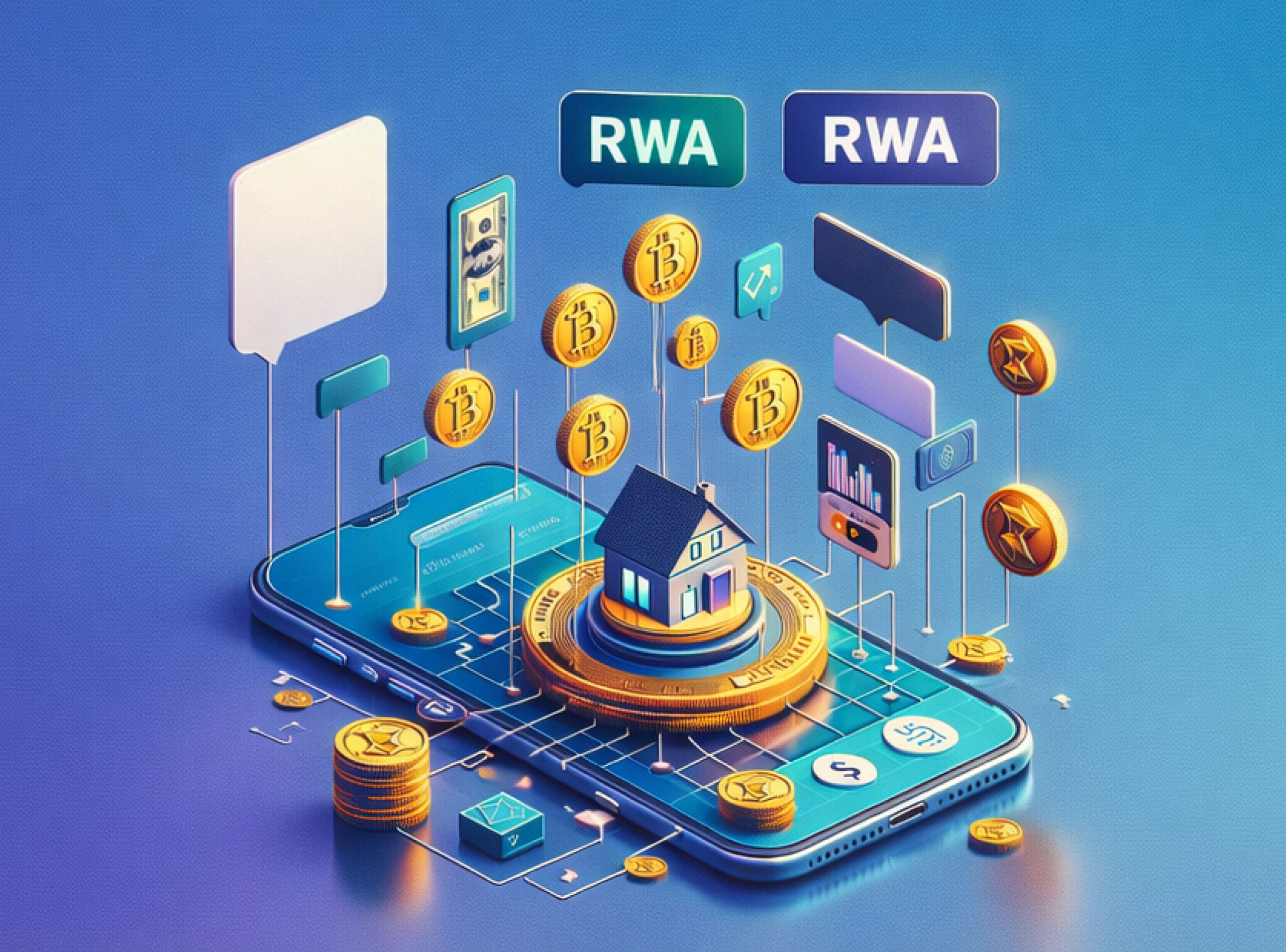
Converting ownership rights of physical or standard financial assets — such as real estate, commodities, stocks, or valuable art — into digital tokens stored on a blockchain is what real-world asset (RWA) tokenization means in practice.
Each token represents a digital share of the actual asset, allowing investors to purchase smaller sections instead of acquiring the complete asset outright. This facilitates quicker trading, increases accessibility, improves liquidity, and enables faster settlement. In doing so, tokenization creates a direct and functional bridge between traditional finance and decentralized finance systems.
A tokenization platform won't succeed on technology alone. Building trust and long-term viability requires strong governance, a clearly established legal structure, and genuinely high-quality underlying assets.
The Assets That Are Becoming Decentralized
Not every asset class tokenizes with equal ease — some have natural structural advantages that make them better candidates for fractional digital representation. Understanding the landscape before choosing a focus area is a critical first decision for any RWA tokenization startup.
Real Estate
Buildings and land divided into tokens representing appreciation rights and rental income — creating predictable, ongoing yield streams for investors.
Financial Instruments
Corporate bonds, private credit, and U.S. Treasury instruments that frequently offer on-chain yield — among the most institutionally trusted asset classes to tokenize.
Commodities
Gold, silver, and agricultural goods like coffee or wheat — tokens often 100% backed by physical property stored in regulated vaults.
Collectibles & Art
Paintings, rare wines, and luxury watches divided into fractional investment shares — democratizing access to alternative assets previously limited to the ultra-wealthy.
Supply Chain Invoices
Verified payment claims between businesses tokenized on-chain — allowing faster trading, improved cash flow, and reduced payment delays across supply chains.
Infrastructure Assets
Renewable energy projects that attract institutional capital with predictable long-duration yield profiles and strong ESG credentials.
The key distinction: Blockchain asset tokenization enables startups to create digital representations of traditionally illiquid assets — making them tradeable where they previously weren't. But the technology is only the enabler. Market viability and legal clarity determine whether those tokens are actually worth holding.
What Does RWA Tokenization Mean for Startups?
Tokenization of real-world assets opens entirely new capital-raising pathways. Businesses can tokenize assets and make them available to investors online rather than depending solely on traditional funding rounds — increasing both the speed and flexibility of fundraising while simultaneously improving asset liquidity.
Instead of building another speculative crypto token, startups can now build tokenized marketplaces backed by real economic value — creating products that institutional investors can evaluate with familiar financial frameworks. This creates three distinct strategic advantages that collectively redefine what startup-scale financial infrastructure can look like.
Tokenization removes geographic barriers entirely — investors worldwide can access assets previously limited to local or regional markets with heavy intermediary requirements.
Dividing large assets into smaller digital units makes them accessible to a far broader investor base — dramatically expanding total addressable market for each tokenized asset.
Tokenized assets can trade faster and more efficiently than traditional securities — reaching a wider audience with secure, near-instant transactions that reduce holding risk.

Choosing the Right Assets for Tokenization
Choosing the right asset is the most important first step in the entire process — if it's wrong, everything downstream creates compounding problems. Not every asset is suitable for tokenization. Startups must evaluate carefully because the success of a tokenized asset depends on market viability, compliance readiness, and tradability.
Several asset classes have structural advantages. Real estate is popular because rental income creates predictable cash flow. Invoices and private credit assets produce consistent returns. Global pricing standards make commodities like gold straightforward to value. Institutional investors are attracted to infrastructure assets such as renewable energy projects for their long-duration, stable yield profiles.
Adoption outcomes are greatly affected by selecting the correct asset type — which is precisely why this decision must come before platform architecture, not after it.
How to Evaluate an Asset for Tokenization
Before launching a tokenization platform, startups must evaluate the underlying asset across four non-negotiable criteria. Missing any one creates downstream legal, commercial, or credibility risk that can undermine even a technically flawless platform.
Step-by-Step Process to Launch RWA Tokenization
A structured plan is required to launch a real-world asset tokenization platform across legal, financial, and technical layers — because each step depends on the previous one. These seven steps ensure the asset is legally valid, technically secure, and genuinely investable for global participants.
The rigorous process matters: This structured approach to tokenizing real-world assets helps startups integrate investor access, blockchain infrastructure, and legal ownership into a single coherent platform — rather than bolting these three pillars together after the fact.
Key Technologies Powering RWA Tokenization
Three core technologies form the backbone of scalable RWA tokenization platforms — working together to deliver transparency, security, and automation across asset issuance, trading, and lifecycle management.
Creates transparent, tamper-proof records that safely track the lifecycle and ownership history of tokenized assets by recording every ownership transaction with cryptographic certainty.
Automated on-chain programs that handle payout distribution, ownership changes, token circulation, and compliance checks — lowering operating costs and eliminating human error from routine processes.
Decentralized finance platforms boost utility by enabling lending, borrowing, and trading without intermediaries — connecting real-world assets directly to global liquidity pools and expanding investor reach.
Benefits of Blockchain Asset Tokenization
Tokenization introduces structural improvements across financial markets — not incremental upgrades, but architectural changes that make previously impossible market structures viable for the first time at global scale.
Institutional momentum is real: Organizations and institutional players are increasingly exploring tokenized real-world assets precisely because these benefits address structural inefficiencies that have persisted in traditional markets for decades — and are now solvable with production-grade blockchain infrastructure.
Challenges Startups Must Address Early
Despite its promise, launching RWA tokenization projects comes with significant structural challenges. These are not minor friction points — they are issues that have derailed well-funded projects. Startups must address them early in the project lifecycle, not as afterthoughts once the platform is built.
Conclusion
The ownership, trading, and funding of assets in digital markets is being fundamentally reshaped by real-world asset tokenization. From pulling liquidity out of previously frozen markets to connecting global investors with opportunities they could never previously access, the structural advantages are proven and well-documented.
But governance, compliance, and asset credibility matter as much as technology for long-term success. Technology matters — but these factors determine whether a platform endures past its launch phase. The opportunity is massive, and the implementation will make all the difference.
Founders who treat tokenization as financial infrastructure rather than a crypto trend will create lasting, institutional-grade value. Those chasing the trend will build platforms that don't survive the next regulatory cycle.
Startups that combine all the elements — technology, legal structure, asset quality, and investor trust — are the ones that will build platforms worthy of the $16 trillion opportunity ahead. That combination is hard to achieve. It's also exactly what separates the platforms that endure from the experiments that don't.